
 Skip Beckett
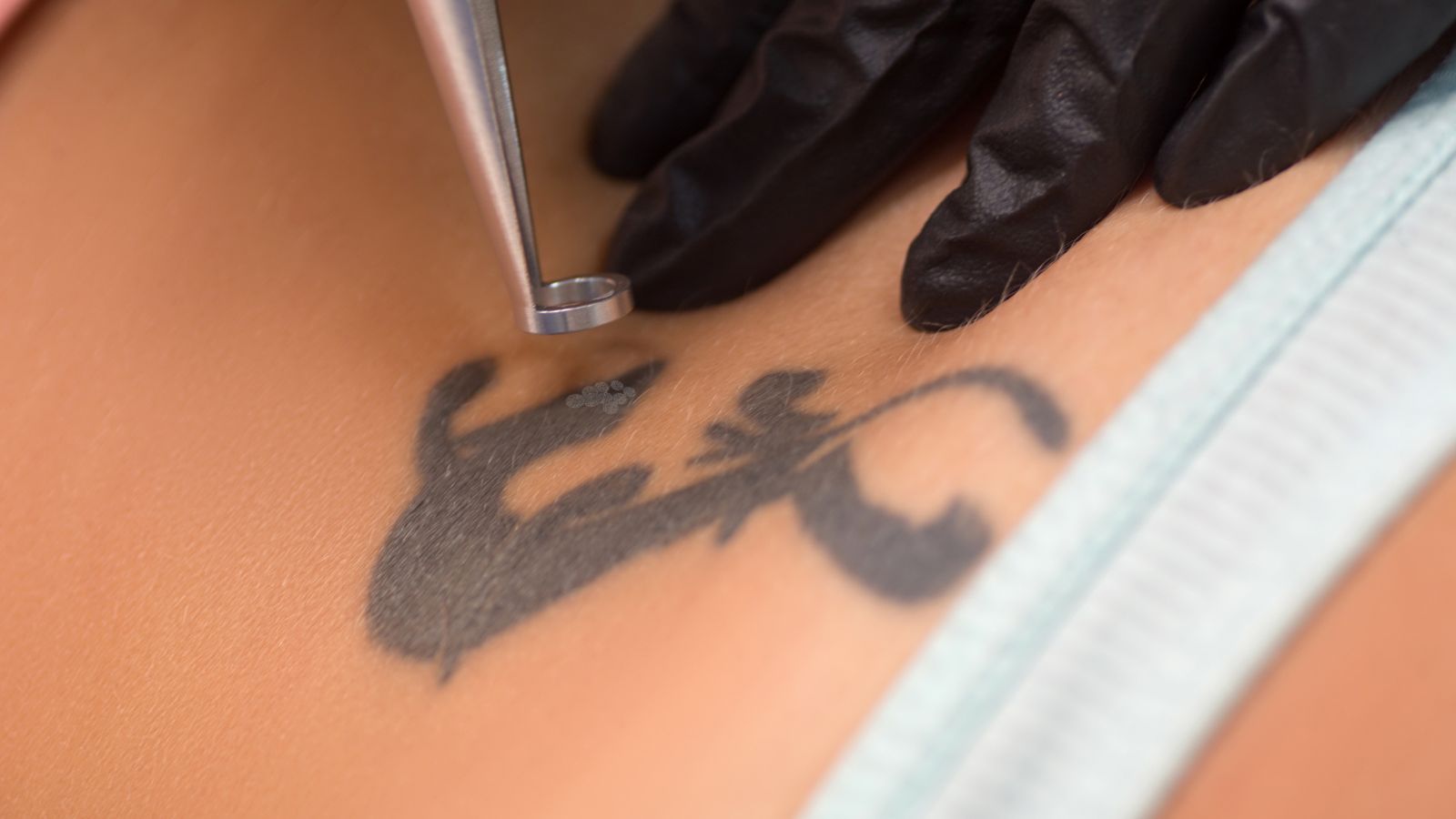
 The sessions are pretty quick. Usually it’s just a few minutes under the laser. What happens next though, in the following hours and days at home, is what it comes down to as far as your results are concerned. It caught me a bit off guard, because I just assumed the laser did all the work and the rest was just waiting for the next appointment. The reality is that treated skin is essentially a wound and how you care for it while it heals has a real effect on how cleanly it recovers and how little it scars.
Before anything else, one thing matters more than every tip below: the aftercare instructions your provider gives you come first. Clinics differ in what they recommend, your skin is specific to you, and the person who treated you can see things that a website can’t.
The first hours after a session
Right after treatment the skin will look and feel a lot like a fresh sunburn. Expect some redness and swelling, along with tenderness in the area, and you may notice a temporary whitening that fades within minutes or a little pinpoint bleeding. Your provider will usually apply a thin layer of ointment and cover the spot with a non-stick dressing, and the simplest thing you can do is leave that in place for as long as they tell you to. If the area feels hot or sore, a cool compress held gently against it, a clean cloth rather than ice straight on the skin, takes the edge off without irritating it further.
Keeping the area clean in the first days
Once you are cleared to start caring for it yourself, the routine is gentle and unfussy. Wash the area lightly with a mild soap and lukewarm water, then pat it dry with a clean towel instead of rubbing. The American Academy of Dermatology notes that for the first few days you may be asked to apply an antibiotic ointment and to keep the skin moisturized and covered until it heals. None of this is elaborate, and that is rather the point. The aim is simply to keep the area clean and protected while your skin does its own repair work underneath.
Blisters and scabs
Blistering and scabbing are both common in the days after a session, and while a blister over dark ink can look alarming, it is a normal part of the response rather than a sign that something has gone wrong. The single most important rule of the whole process lives here, and it is to leave all of it alone. Popping a blister or picking at a scab is the most common way a routine reaction turns into a lasting scar, so however tempting it is, let them resolve and fall away on their own while you keep the area clean and your hands off it.
Protecting the area from the sun
If there is one piece of aftercare worth real effort, it is sun protection, because freshly treated skin is more vulnerable than usual to changes in pigment. The American Academy of Dermatology recommends protecting the treated skin from the sun for about three months, and notes that the most reliable protection is clothing that blocks light completely, since thin, pale fabrics can let enough through to matter. When covering the area is not practical, sunscreen over it helps, and it is wise to skip tanning entirely while you are in a course of treatment. If some discoloration does appear, it usually fades on its own within about a year, though anything that worries you is worth mentioning to your provider.
What to skip while it heals
A few ordinary things are worth putting on hold until the skin has fully recovered. Soaking the treated area raises the risk of infection, so baths, hot tubs, and swimming are best saved for after it has healed, while a gentle shower is usually fine once your provider says so. It also helps to keep friction off the area, so loose clothing over the spot beats anything tight, and to hold off on makeup, perfume, or other products directly on it until it is healed. There is no need for special creams or elaborate regimens, and in fact a plain, gentle approach tends to serve the skin better than piling products onto it.
When to call your provider
Most healing is uneventful, and knowing what counts as normal makes the occasional worry easier to place. Redness, mild swelling, light scabbing, and that sunburned feeling in the first days are all expected and tend to ease as the days pass. What is worth a call to your provider is the opposite pattern: redness that spreads, warmth, pus or other discharge, pain that grows rather than settles, a fever, or anything that seems to be getting worse instead of better. Because thesis just a website and not a clinic and cannot look at your skin, anything along those lines is a question for the provider who treated you, and they would much rather hear from you early than have you wait it out.
The bottom line
Good aftercare is far less dramatic than people expect. Most of it comes down to keeping the treated skin clean and protected while it heals and resisting the urge to interfere with it. Staying out of the sun afterward matters more than almost anything else you will do, and leaving blisters and scabs to settle on their own is what keeps a normal reaction from becoming a scar. Skin rewards patience and a light touch far more than any product, and the days between sessions are part of what gets you a clean result at the end. For a sense of how the healing unfolds across the weeks between appointments, our guide to what happens between sessions walks through the full cycle.
A note on this guide
Tattoo Takeoff is an independent, research-based resource. It is not a clinic and does not perform removal, and nothing here is medical advice. Aftercare needs vary from person to person and from one provider to the next, so the instructions your own provider gives you always come first, and anything specific to your skin is a question for them.
Sources
American Academy of Dermatology, “Tattoo removal: Lasers outshine other methods”
U.S. Food and Drug Administration, “Tattoo Removal: Options and Results”
UT MD Anderson Cancer Center, “5 questions about laser tattoo removal, answered”
StatPearls, “Laser Tattoo Removal,” National Center for Biotechnology Information
Last reviewed: June 28, 2026. Updated as we learn more.
