
 Skip Beckett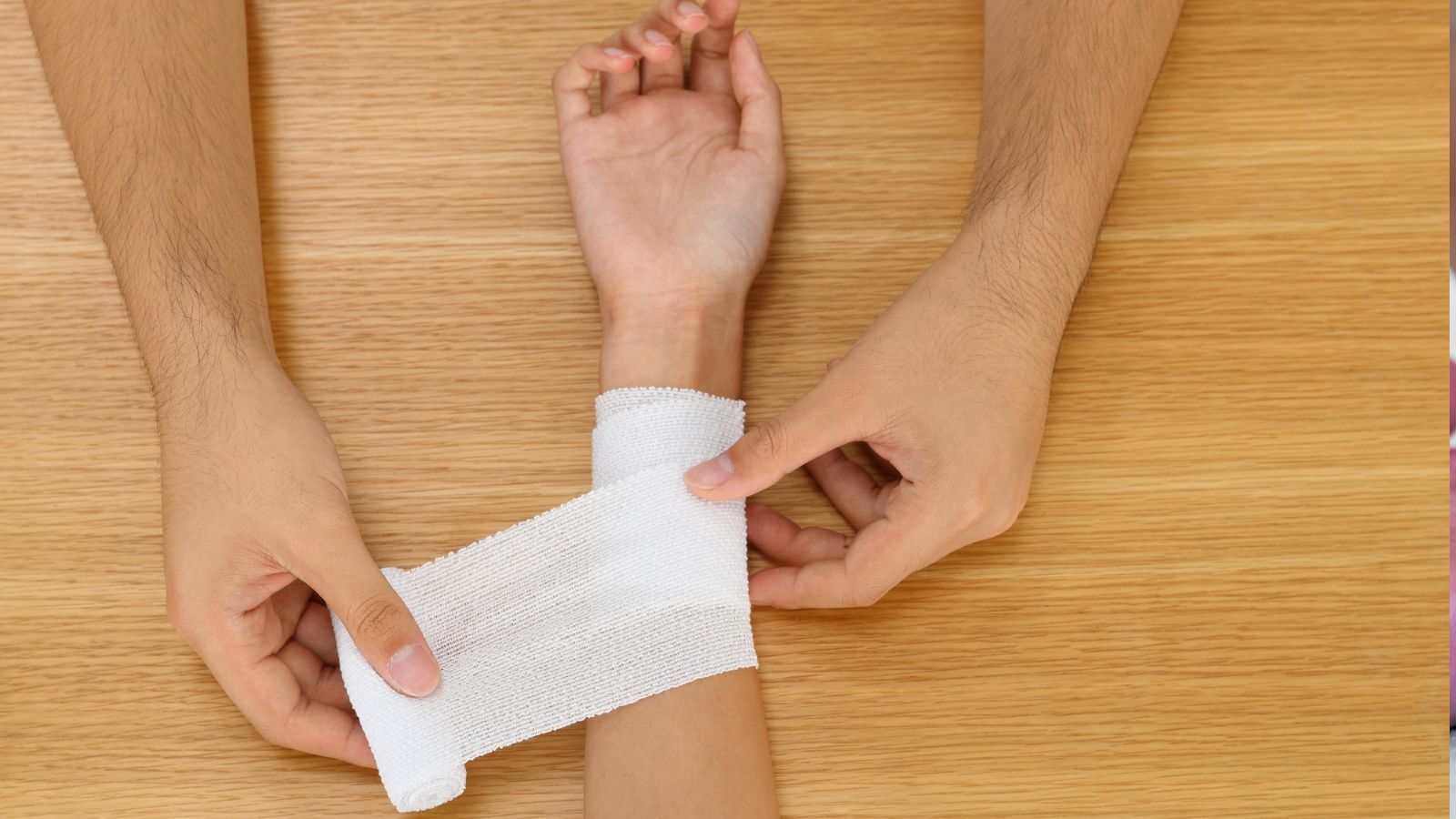
Blistering after tattoo removal usually shows up without warning. You leave the appointment with skin that looks like a mild sunburn, and by that evening there’s a cluster of fluid-filled bubbles sitting over the tattoo. It looks like a sign that something went wrong. Published clinical guidance puts crusting and blistering in the expected-healing column, well short of the complications list. That’s worth having in mind at eleven at night when the skin looks its worst.
Why skin blisters after a session
The laser breaks up ink through a combination of heat and shockwave, and that energy doesn’t land only on the ink. Some of it reaches the surrounding skin, which responds the way it responds to any superficial thermal injury. It inflames.
StatPearls describes swelling and redness developing within the first 24 hours, along with itching, then settling over the following one to two weeks. Crusting or blistering can appear alongside that. A blister is fluid collecting between layers of skin as part of the same response, and its roof is a dressing your body built for itself.
Clinic pages often present blistering as proof the treatment is working. The clinical sources don’t support that reading. They describe blistering as a wound-healing response and never tie it to how completely a tattoo clears. Plenty of people finish every session without blistering once, and their results are no worse for it.
After one session
What healing usually looks like
Blistering and crusting sit inside the expected range. This is the shape most people follow, and the point at which it stops being routine.
During the session
The tattoo turns white. That frosting is gas forming in the skin, and it clears in about 20 minutes.
First 24 hours
Swelling and redness set in, usually with itching. Blisters, when they form at all, tend to appear now.
The messy stretch
Small blisters clear on their own. Crusts form as the surface repairs. Both are best left completely alone.
Settling down
Swelling and itch ease off. Crusts separate on their own timetable, leaving skin that is often pale or pink.
Call your provider if you see
- Pain getting worse over successive days
- Increased swelling or warmth
- Drainage with pus
- Yellow or golden crusts
- Fever
Sources American Academy of Dermatology; StatPearls. These are typical patterns, not a schedule your skin has to keep to.
The timeline most people see
The white frosting that appears on the tattoo during treatment isn’t a blister. That’s gas forming in the skin, and it clears within about 20 minutes of the session ending.
Blisters, when they form, tend to arrive within the first day. Small ones generally resolve on their own within a few days. Swelling and itch ease over one to two weeks. Crusts form as the surface repairs and then separate on their own timetable, and the skin underneath is often pale or pink for a while afterward.
Sessions are usually spaced six to eight weeks apart, and letting the treated skin heal fully is part of why that gap exists.
What to do while it heals
Keep the area clean. The AAD’s wound-care guidance is to wash gently with mild soap and water, then keep the skin moist with petroleum jelly, which stops the wound drying out and forming a heavy scab. Their reasoning is practical: wounds that scab take longer to heal. Cover it with a bandage afterward.
The AAD also says antibacterial ointments aren’t necessary as long as the wound is cleaned daily, which is useful to know if someone has told you to go buy one. StatPearls arrives at the same place from another direction, noting that some clinicians recommend emollients or antibiotic ointments while others don’t, and that no single practice is universal. Your provider’s written instructions win either way, since they know what settings were used on your skin.
Where the sources agree completely is on leaving things alone:
- Don’t pick at crusts or scabs. Picking is associated with a higher risk of infection, and it’s the part of healing most under your control.
- Leave blisters intact. Small ones clear up on their own within a few days.
- Large or uncomfortable blisters can be drained, and that’s a decision for your provider to make and carry out. Doing it yourself with a household needle opens the skin that was protecting you.
- Skip strenuous exercise and heavy heat, including hot showers and saunas, for the first day or two.
Our guide to tattoo removal aftercare covers the day-to-day routine across the full healing window.
Sun protection during the healing window
Sun on freshly treated skin is the piece of aftercare with the longest tail, because what it drives is pigment change.
The sources set different horizons here, and the gap is worth seeing plainly. StatPearls advises minimizing sun exposure for at least two weeks after each treatment, with SPF 30 or higher when it can’t be avoided. The AAD recommends protecting treated skin for three months, and it puts clothing ahead of sunscreen. Their specific caution is that the clothing has to block light completely, since a thin white shirt lets plenty through.
Treat those as a floor and a ceiling. Two weeks is the minimum around each session. Three months is what protects the finished result.
When to call your provider
Infection after tattoo removal isn’t common, and that’s the backdrop for everything below. A wound heading the wrong way still looks different from one that’s healing, and the differences are specific.
The AAD’s wound-care guidance for skin biopsies lists these signs of infection, and they carry over cleanly to a laser-treated area:
- Pain that keeps getting worse over successive days
- Increased swelling
- Warmth in the area
- Drainage with pus
- Yellow or golden crusts
- Fever
If any of those turn up, call the clinic that treated you the same day. Most of that list doesn’t depend on spotting a color change, which matters, since redness reads differently on darker skin.
Normal healing follows a downward slope. Discomfort peaks early and eases from there. Anything that keeps worsening deserves a phone call, and no reasonable clinic minds the question.
Scarring, and what blistering says about your results
Scarring is what people are actually worried about when they look at a blister. The AAD describes scarring and texture changes as rare when a dermatologist performs the treatment, and more common when whoever holds the laser lacks medical training. StatPearls adds that burning and skin sloughing can follow settings that run too aggressive.
So the two biggest levers sit in different hands. One is who operates your laser and at what settings. The other is you, leaving the crusts alone until they lift on their own. Our guide to whether tattoo removal hurts or leaves scars goes deeper into that risk.
Blistering itself doesn’t speed anything up. The fading happens in the weeks between appointments, as immune cells carry off the fragmented ink, which is the process we walk through in what happens between tattoo removal sessions.
One pattern is worth raising with your provider: heavy blistering after every single session. Frosting is the endpoint a laser operator aims for, and standard practice is to use the lowest energy that produces it. Signs like pinpoint bleeding during treatment point to energy running higher than needed. Consistently severe blistering is a fair thing to ask about, and a good provider will adjust.
A note on this guide
This article describes general patterns drawn from published clinical guidance, and it isn’t medical advice. Your provider gave you instructions based on your skin and the settings they used, and those come first. If something about how you’re healing worries you, call them without waiting for the next appointment.
Sources
American Academy of Dermatology, Tattoo removal: Lasers outshine other methods
American Academy of Dermatology, Minimize a scar: Proper wound care tips from dermatologists
American Academy of Dermatology, Skin biopsy: Dermatologist-recommended wound care
Hohman MH, Ramsey ML, Laser Tattoo Removal, StatPearls, National Library of Medicine
Last reviewed: July 27, 2026. Updated as we learn more.
