
 Skip Beckett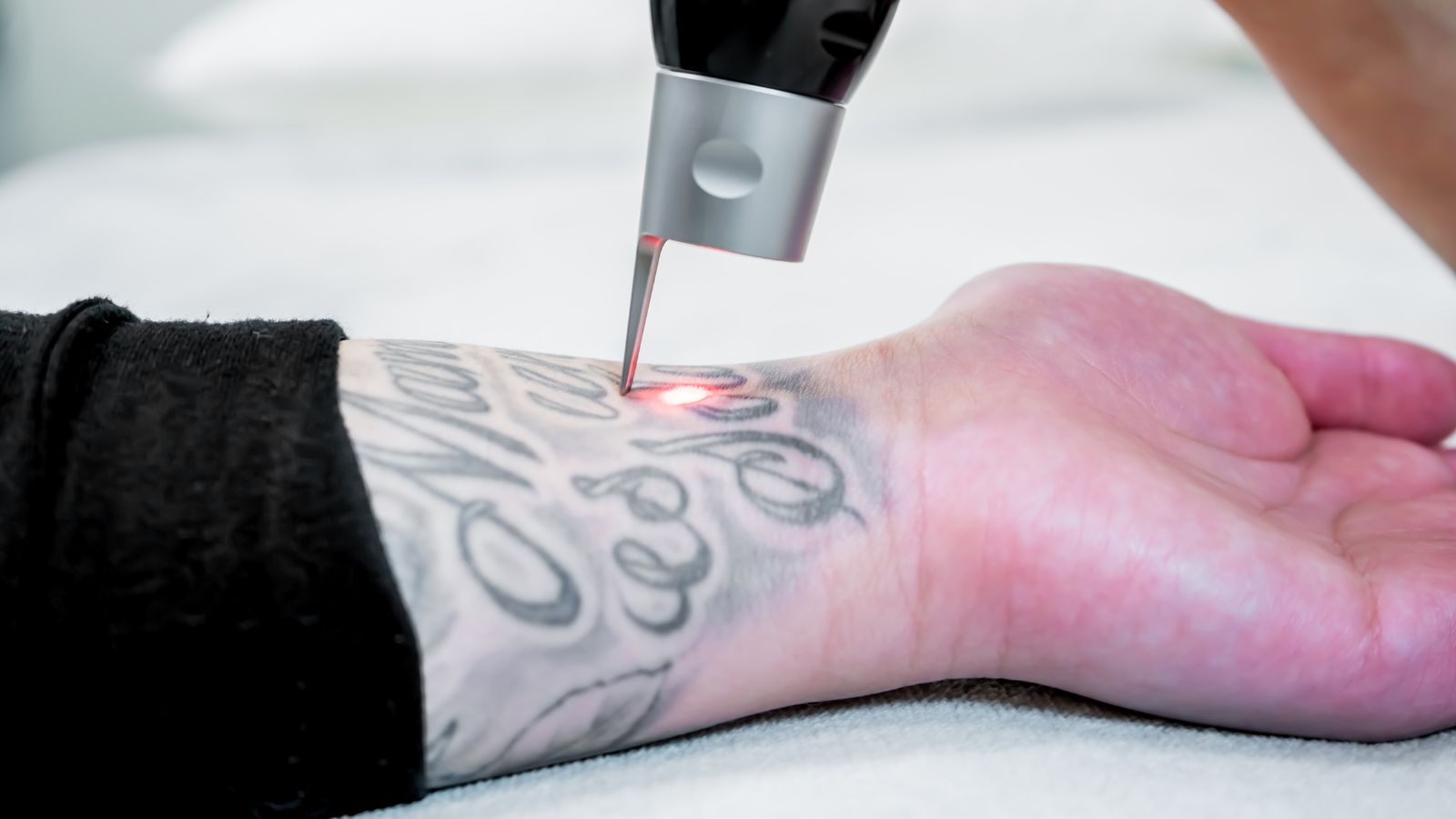
A lot of the nerves before a first appointment come down to not knowing the choreography of it. So here’s what actually happens at a tattoo removal session, start to finish, as a walk through a single visit. Knowing the order of events ahead of time takes most of the mystery out of that first visit.
One appointment
A session, start to finish
The whole visit is usually 15 to 30 minutes, and the laser is the shortest part of it. Here’s the order it runs in.
Check in and set up
A quick look at the area, a progress photo, numbing cream already on if you’re using it, then the skin is cleaned and everyone puts on eye protection.
The laser
Rapid pulses in overlapping passes, often under a minute or two, with cold air for comfort. A temporary white frosting right after is normal.
Dressed and sent home
The skin is cooled, ointment and a clean dressing go on, and you get aftercare instructions. It looks like a mild sunburn, and you head back to your day.
Based on standard clinical practice for laser tattoo removal (American Academy of Dermatology; FDA). Clinics vary in detail.
Checking in and getting set up
The visit starts the way any clinical appointment does. On a first session there’s usually a bit of paperwork and a short conversation about your tattoo, your skin, and how you’ve healed from past sessions if this isn’t your first. The practitioner looks at the area, confirms the plan for the day, and often takes a quick photo to track progress over time. If you’re using a numbing cream, this is when it needs to have been on already, which is why clinics ask you to apply it ahead or arrive early. Then the area gets cleaned, and you and everyone in the room put on protective eyewear, since the laser light requires it.
The laser itself
This is the part people brace for, and it’s over quickly. The practitioner moves the laser across the tattoo in overlapping passes, and it fires in rapid pulses. For a small or moderate tattoo the active treatment often takes well under a minute or two, sometimes just seconds, and a larger piece runs longer but is still measured in minutes. Many clinics run a stream of cold air over the skin during this to keep it comfortable, and for a bigger tattoo there may be short pauses. The sensation is real but brief, and we cover exactly what it feels like and what helps in our guide on whether removal is painful. Right after the pulses, you may see a temporary white frosting over the tattoo, which is a normal immediate reaction that settles on its own.
Right before you leave
Once the laser work is done, the practitioner tends to the treated skin before you go. That usually means cooling the area, applying a soothing ointment, and covering it with a clean dressing. You’ll get aftercare instructions for the days ahead, keeping it clean, protecting it from the sun, leaving any blisters alone, and a sense of what’s normal as it heals. The skin will be warm, pink, and a little swollen at this point, much like a mild sunburn, and that’s expected. Our aftercare guide walks through the healing window in full. Then you’re done, and most people head straight back to their day.
How long the whole thing takes
Start to finish, a typical session is short, often 15 to 30 minutes including the check-in and the wrap-up, with the actual laser time being the smallest slice of that. First appointments run a little longer because of the paperwork and the fuller consultation. It’s one of the quicker appointments in the whole process, which surprises people who’ve built it up in their minds. The length of removal comes from how many of these short visits it takes and the weeks between them, not from any single session being long.
The honest bottom line
One session is a brief, orderly appointment: check in, protect your eyes, a short burst of laser work with cooling, then the skin gets dressed and you get your aftercare. The laser is the part people fear and the smallest part of the visit. Walking in knowing the sequence is genuinely most of what settles first-session nerves, and by the second visit it feels routine.
A note on this guide
Tattoo Takeoff is an independent, research-based resource. It’s not a clinic and doesn’t perform removal, and nothing here is medical advice. Every clinic runs things a little differently, so follow the specific guidance your licensed provider gives you.
Sources
American Academy of Dermatology, Laser tattoo removal
U.S. Food and Drug Administration, Tattoo Removal: Options and Results
StatPearls (NIH National Library of Medicine), Laser Tattoo Removal
Last reviewed: July 21, 2026. Updated as we learn more.
