
 Skip Beckett
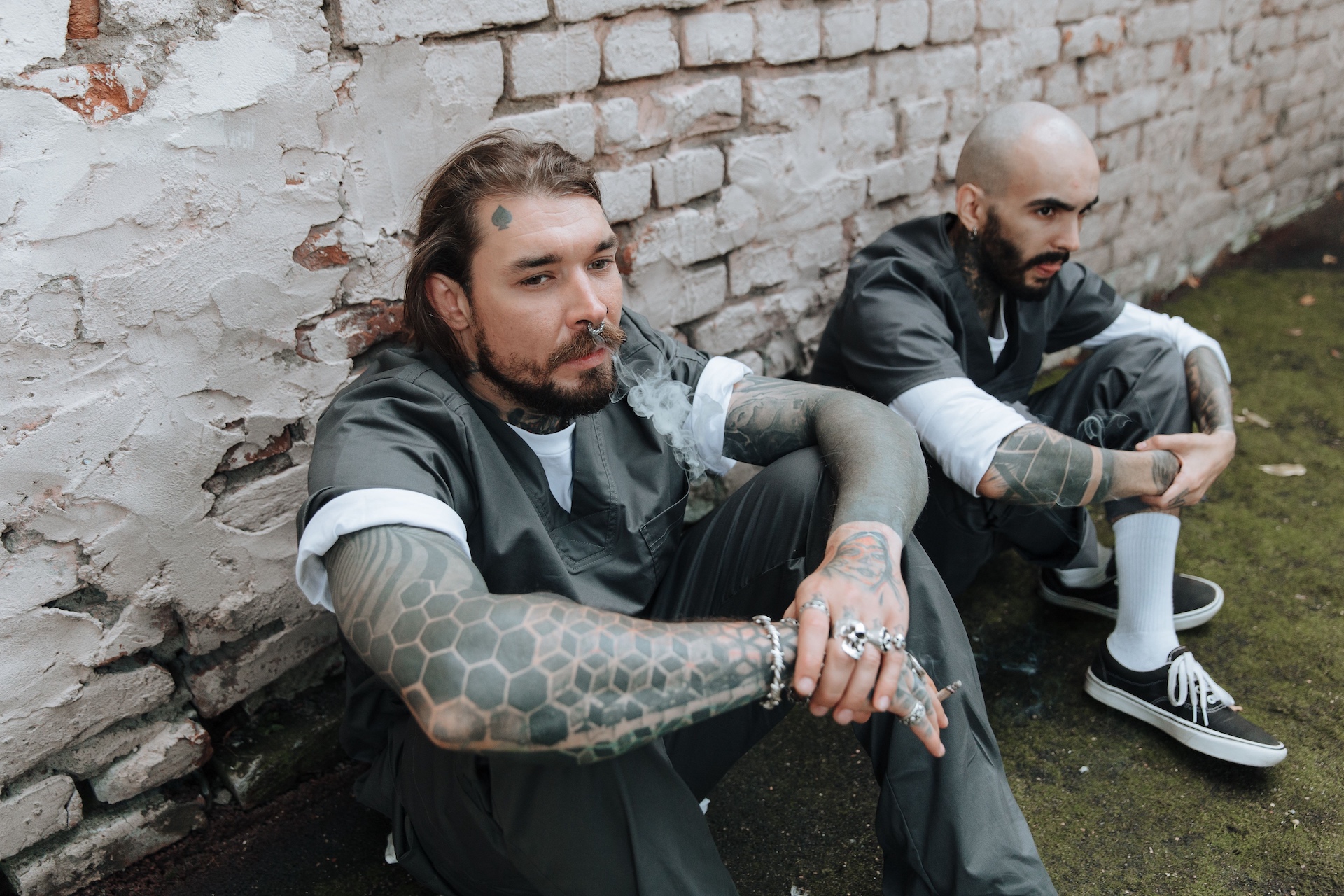
 Recently in the financing article I highlighted the fact that there are free tattoo removal programs out there. These programs are mostly for people with needs that go beyond your ordinary run-of-the-mill tattoo regret. The needs vary but some quick examples are former gang members, people coming home from prison, former members of hate groups who want symbols erased, and, sadly, sometimes people who have tattoos they didn’t choose at all. For example, traffickers often brand the people they control and abuse survivors are sometimes left wearing their abuser’s name. I’m going to start adding articles and listings of the free programs soon but until then here’s some general info on who does them and how to find them.
Who these programs are for
It’s not so much who these programs serve but why. The reality is some tattoos do real damage in the world and can seriously and negatively impact a person’s life. People change, tattoos don’t. A visible tattoo on the neck or hands can end a job search before they even get an interview. Gang or hate imagery is another reason. People leave and outgrow these groups and are left with tattoos that they regret and hinder the life they’d like to build. And some tattoos are never a choice: traffickers brand the people they control, so the ink itself becomes proof of ownership.
That’s the common thread. These programs are for the kind of tattoo that stands between someone and a fresh start, which is why almost every program looks at two things: where the tattoo is and what it represents, and what the person is working their way out of.
Who these programs tend to serve
The big programs draw their lines a little differently, but most look for some version of both of these.
The tattoo is usually
AND
The person is usually
These aren’t universal rules. Homeboy Industries also serves minors and Los Angeles community members. Removery’s INK-nitiative asks for a recommendation letter from an advocate who isn’t a friend or family member. Other programs set their own terms. If you’re close to fitting, ask the program directly — the worst answer is no.
Criteria: Homeboy Industries and Removery INK-nitiative, program pages, 2026.
The eligibility pattern
Different programs do different things. Most programs want a tattoo that’s either visible (face, neck, hands) or tied to a gang or hate group. And most want the person to be in a specific situation: coming home from prison, leaving gang life, or surviving trafficking or domestic abuse. Some ask for both. But the only reliable answer to “do I qualify” is to ask a program directly.
The big names
Homeboy Industries (see link below), in Los Angeles, runs the largest program in the country. It sees around a thousand people a month and removes more than fifty thousand tattoos a year, all free, using volunteer doctors. It’s built for people in Homeboy’s reentry community, and for visible or gang-related tattoos. Demand is heavy and there can be a wait measured in months.
Removery’s INK-nitiative (see link below) is the industry’s own program, run by a national removal company across its clinics. It covers tattoos on the hands, neck, or face, or ones tied to gangs or hate groups, for people who are formerly incarcerated, former gang members, or survivors of domestic abuse or trafficking. It asks for a recommendation letter from an advocate who isn’t family, like a parole officer, counselor, or sponsor.
Cities, counties, and one-offs
A lot of removal happens through local programs most people never hear about. District attorney’s offices, mayor’s gang-prevention initiatives, and county health departments run their own, often with local rules attached: you might need to live in a certain city, have a documented gang affiliation, or do community service hours in exchange. Fresno, Santa Rosa, and San Diego County all run versions of this. They come and go with budgets, which is exactly why a national directory beats any list I could keep here.
How to actually find one
The best starting point is the directory kept by Jails to Jobs, a nonprofit that maintains a searchable map of more than 300 free and low-cost programs across 46 states. You enter a city or zip and it shows what’s near you. If nothing turns up close, their own advice is worth following: call your local mayor’s office, police department, or parole and probation office, and search “gang prevention tattoo removal program” plus your city. Programs like these often exist without ever making a list.
What to expect once you find one
Free doesn’t mean fast or simple. Expect an application, and often a referral or an advocate letter. Expect a waitlist, because volunteer hours run short everywhere. And expect to show up for the same long haul as anyone paying, a year or more of sessions spaced weeks apart, because removal works the same regardless of who’s paying for it. What these programs are really offering isn’t a shortcut. It’s a door that money was keeping shut.
If none of this fits you
Most people reading this won’t qualify. These programs were built for specific, hard situations. If yours isn’t one of them, the question goes back to what removal costs from beginning to end and the ways people spread that cost out. And if your tattoo is visible and gang- or hate-related and maybe doesn’t exactly line up with the program’s stated rules, ask anyway. The worst they say is no.
The bottom line
If your tattoo is tied to a gang, a hate group, trafficking, or time inside, and it’s standing between you and a fresh start, there are people who will take it off for free, and some have been doing it for decades. Start with the Jails to Jobs directory, call what you find, and be patient with the wait.
A note on this guide
Tattoo Takeoff is an independent, research-based resource. It’s not a clinic, doesn’t perform removal, and isn’t affiliated with any program named here. Eligibility rules belong to the programs themselves and can change, so confirm the details with the program directly.
Last reviewed: August 08, 2026. Updated as we learn more.
Sources
Homeboy Industries, Tattoo Removal program
Removery, INK-nitiative program (company program; primary record of its own criteria)
Jails to Jobs, National directory of free and low-cost tattoo removal programs
Photo by Ron Lach, via Pexels
